You'll find that premier architect projects in Decatur, Brookhaven, and Atlanta feature sustainable mixed-use developments, inventive modern homes, and sensitive historic preservation. You'll see sophisticated open-plan layouts with quality materials, thoughtful repurposing of historic industrial spaces, and eco-friendly elements such as native landscaping and solar installations. Distinguished cultural and commercial structures are notable for material innovation, daylighting, and integration with their communities. There's an outstanding mix of architectural vision and technical prowess—delve deeper to see how each project sets new benchmarks.
Main Insights
Contemporary Home Masterpieces in Decatur
How do modern-day architects redefine residential living in Decatur? You'll find a clear shift toward open floorplans that optimize spatial flow and natural light. By eliminating traditional barriers, you establish multifunctional living areas that encourage both connectivity and privacy. Architects employ minimalist interiors, choosing refined materials like concrete finishes, glass, and natural wood. You'll discover built-in storage solutions and integrated lighting, which decrease visual clutter and improve clean lines. Large windows and sliding doors blend boundaries between inside and out, promoting a seamless connection with landscaped courtyards or patios. Every detail, from flush cabinetry to integrated hardware, supports a streamlined aesthetic. By prioritizing open floorplans and minimalist interiors, you create a new residential standard: one that combines efficiency, comfort, and sophisticated design.
Heritage Conservation Projects in Atlanta
Various historic preservation undertakings in Atlanta showcase architects' pledge to renovating the city's historic structures while preserving their original character. You'll find a detailed approach when tackling preservation challenges such as structural degradation, obsolete materials, and code compliance. Architects implement specialized restoration procedures—repairing stonework, rebuilding period-appropriate windows, and strengthening historic facades—to ensure both sustainability and genuineness. Every intervention is meticulously documented, from the sourcing of historically accurate materials to the implementation of modern building systems that don't compromise visual integrity. It's essential to also harmonize energy efficiency with preservation standards, often requiring innovative problem-solving. These initiatives allow Atlanta's historic landmarks—churches, theaters, and antebellum homes—to serve future generations, blending technical expertise with a profound respect for architectural heritage and urban context.
Green Building Practices in Brookhaven
You'll notice Brookhaven's leading projects emphasize green building materials that reduce environmental impact while maintaining performance. Incorporate power-smart design solutions to lower operational costs and boost occupant comfort. Integrate innovative water conservation strategies, making sure every system supports long-term sustainability.
Eco-Friendly Construction Materials
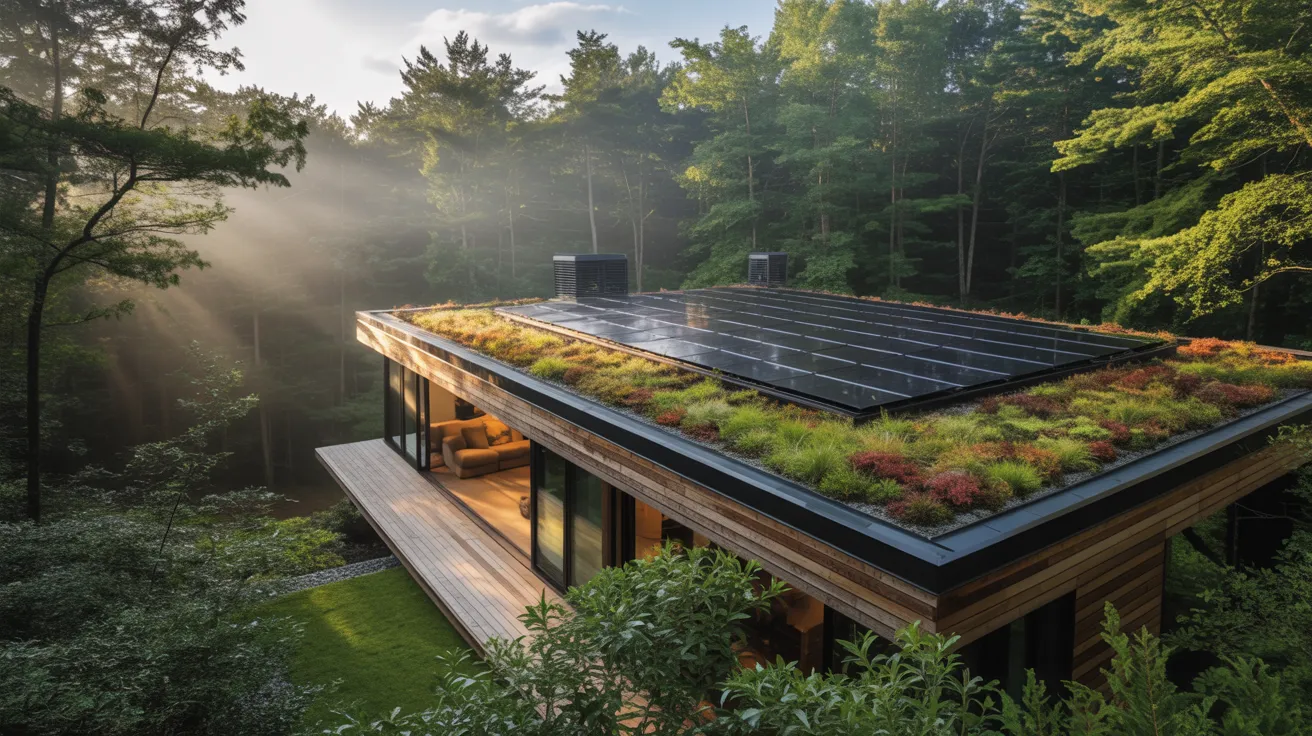
What distinguishes sustainable architecture in Brookhaven distinctive is its dedication to advanced green building materials that decrease environmental impact without compromising structural integrity or aesthetics. You'll observe architects here strategically select materials like recycled steel, celebrated for its robustness and reduced embodied energy compared to conventional steel. Recycled steel's longevity provides lasting frameworks while supporting eco-conscious design. Moreover, incorporating solar panels directly into building envelopes not merely generates clean energy but also produces refined, modern rooflines. You receive high-performance insulation and responsibly sourced wood, each chosen for eco-friendly properties and sustainable qualities. When you focus on these advanced materials, you help create spaces that appear refined and perform exceptionally, all while minimizing your carbon footprint and confirming your project satisfies the highest sustainability standards.
Energy-Efficient Design Solutions
When it comes to material selection and energy efficiency, design solutions shape sustainable architecture in Brookhaven by maximizing efficiency throughout the process. It's essential to focus on solar integration, strategically positioning photovoltaic panels to optimize solar collection without compromising the building's form. Align windows and living spaces to harness natural daylight, decreasing reliance on artificial lighting. Utilize deep roof overhangs and fixed shading devices to mitigate heat gain. With passive cooling strategies, like strategic ventilation, thermal mass integration, and operable high windows, you'll achieve interior comfort while limiting mechanical cooling demands. Incorporate high-performance insulation and airtight building envelopes to eliminate thermal bridging and energy loss. Every detail, from the positioning of windows to the implementation of advanced HVAC zoning, creates a holistic, energy-efficient outcome designed for Brookhaven's climate.
Water Management Approaches
While Brookhaven's precipitation levels change across seasons, integrated water conservation strategies remain essential for sustainable architecture. You'll want to focus on rainwater harvesting systems, which capture runoff from roofs and retain it for watering or various household uses. Use bioswales, cisterns, and permeable surfaces to direct and purify stormwater, minimizing both runoff and demand on municipal supplies. Water-wise garden design helps decrease water consumption—substitute traditional turf with drought-tolerant native species, mulch beds, and water-saving irrigation systems. Pick hardscape materials that promote water absorption rather than runoff. Consider low-flow appliances and dual-flush toilets throughout the project. By incorporating these design elements, you'll establish buildings that honor Brookhaven's natural hydrology while reaching long-term sustainability through decreased water demand and sustainable landscape care.
Distinguished Commercial Properties
Even as the commercial sector demands both utility and visual aesthetics, award-winning spaces set themselves through innovative use of materials, space design, and eco-friendly practices. When you walk into such a structure, you immediately observe how architectural landscaping complement the architecture, directing movement and creating natural indoor-outdoor shift. Every feature, from native plant palettes to sustainable paving, is selected to enhance not just visual appeal but also ecological efficiency. Inside, outstanding interior design utilizes ambient lighting, adaptable spaces, and sound management to boost efficiency and satisfaction. You'll find that material choices prioritize durability and low environmental impact, while color palettes and textures reinforce brand presence. This precise attention to detail produces commercial environments that are both aesthetically pleasing and functionally effective, creating new industry references.
Innovative Building Repurposing Projects
When architects tackle adaptive reuse, they transform outdated structures into functional, high-performance environments that respect a building's original character. You'll observe this methodology in projects that convert old commercial buildings, manufacturing facilities, or historic venues into lively workspaces, exhibition spaces, or homes. Adaptive reuse demands a detailed assessment of current infrastructure, structural soundness, and support systems. You'll need to navigate code compliance and incorporate modern building systems without damaging the historic fabric. Precise execution is vital—think exposed brick juxtaposed with sleek glazing or repurposed timber beams supporting open-plan workspaces. Through thoughtful space transformation, you enhance usable area, boost energy performance, and provide contemporary functionality within a heritage context. The result? Projects that successfully merge sustainability with creative solutions, improving community click here value and architectural significance.
Cutting-edge Integrated Urban Spaces
With increasing urban density and metropolitan real estate grows more limited, mixed-use developments offer architects with chances to design complex, multi-programmatic environments that leverage synergy. Architects must balance commercial, housing, workplace, and leisure functions within a single footprint, ensuring seamless circulation and spatial hierarchy. Successful city development requires meticulous analysis of the site context, combining efficient transportation linkages, pedestrian pathways, and public spaces. Zoning regulations establish essential parameters—height limits, setbacks, parking requirements—that need innovative design solutions to optimize density without compromising livability. You'll incorporate sustainable materials, daylighting strategies, and energy-efficient systems to improve performance and user experience. By emphasizing connectivity and accessibility, architects can develop vibrant, resilient communities that accommodate evolving urban needs and establish new standards in architectural excellence.
Significant Public and Cultural Architecture
Past the intricacies of mixed-use developments, you'll discover public and cultural buildings calling for a heightened sensitivity to local identity, symbolism, and social context. When handling these projects, consider the interplay between space, structure, and utility. You need to recognize the importance of cultural landmarks; they must integrate seamlessly into their urban fabric while preserving iconic presence. Construction elements, sunlight exposure, and layout design prove crucial, ensuring visitor flow and accessibility are enhanced. Public art installations must be thoughtfully selected, serving as both centerpieces and drivers for community engagement. You must balance contemporary design with sensitivity to historical narratives, creating environments that encourage reflection and interaction. In Brookhaven, Atlanta, and Decatur, such buildings ultimately enhance civic pride and reinforce a city's distinctive identity.
Frequently Asked Questions
How Can I Find the Perfect Architect for My Project?
In choosing the perfect architect for your venture, you'll want to evaluate their experience with your preferred architectural style and analyze their design portfolio for technical excellence. Focus on architects who emphasize client collaboration—discuss their methodology for integrating your input in design decisions. Examine their attention to detail in previous projects, and make certain they communicate clearly about timelines, budgets, and construction phases. This approach helps secure a successful, well-coordinated project result.
How Long Is the Average Schedule of an Architecture Project?
As you start an architectural project, you will move through several distinct project phases, each with its own timeline. Typically, the design processes—including conceptual design, schematic design, and design development—span three to six months, depending on complexity. Creating construction documents takes a further two to four months. Permit acquisition varies, typically taking one to three months. Actual construction can extend six months to twelve months or longer. Work closely with your architect to make sure each phase satisfies your project's requirements and schedule.
What Are the Costs of Hiring an Architect in Atlanta?
When you're ready to get the ball rolling on your project, it's important to note that architectural services in Atlanta generally amounts to 8-15% of your complete construction or renovation budget. The pricing differs according to architectural styles, project intricacy, and the degree of customization you want. For a renovation, you'll typically invest anywhere from $5,000 for basic services to over $50,000 for luxury designs. Be sure to discuss project details and expectations in advance to avoid complications.
What Permits Do You Need Before Construction Begins
Before beginning the construction process, it's necessary to secure various permits. Usually, it's required to secure a building permit, which verifies your plans adhere to local building codes and zoning regulations. Depending on your project's scope, you might also need permits for electrical, mechanical, and plumbing work. Make sure to submit detailed architectural drawings for approval. Confirming your design aligns with zoning requirements, including setbacks and height restrictions, helps prevent expensive modifications or setbacks in your construction timeline.
Can Architects Help With Interior Design as Well?
Architects absolutely can contribute to interior design. You'll benefit from their technical precision and creative perspective, making sure interior aesthetics blend harmoniously with the building's structure. When you collaborate with an architect, you establish design collaboration between structural elements and interior spaces. They'll select lighting, materials, and finishes, aligning every detail for a cohesive look. By including interior design early on, you enhance both aesthetics and functionality throughout your space.
Final Thoughts
When you visit Atlanta's distinctive communities, you'll see how top architects combine form and function—over 60% of Atlanta's new developments integrate sustainable design elements. You can see careful consideration in all adaptive reuse or mixed-use development. When it comes to protecting architectural heritage or developing innovative structures, these projects push boundaries and raise the bar. When you walk these streets, you're witnessing a city transformed through architectural excellence, technical prowess, and innovative thinking.